
| Status: | Active, open to new members |
| Group leader: | |
| When: | On Thursday afternoons 3rd in Month |
| Venue: | Staines Methodist Church |
Do you have an enquiring mind? Do you sometimes wonder how things work and why they work the way they do? Do you feel you ought to know something about topics such as emerging technologies, climate change, space exploration and a whole range of other scientific and engineering topics?
If the answer to any of the above questions is “Yes” then the Science & Technology Group could be just the one for you. Our talks are given by experts in their field but are never too highbrow. In addition to our talks, we try to arrange three trips a year to sites that are of scientific and engineering interest. As examples, our recent trips have included the Canal Museum, Tower Bridge and the Postal Museum (see the Past Events below).
Our indoor meetings are held on the 3rd Thursday of the month (except August) starting at 14:00 in Staines Methodist Church, Thames Street, Staines, TW18 4SD. There is a small annual membership fee of £2 plus a fee of £2 per meeting, the latter is to cover the cost of hall hire; the cost of visits varies depending on the venue.
The members of the Committee are:-
- John Biggs - Leader
- Helen Beecham
- Oliver Davies
- Alan Pugh
- Gary Ventham
If you would like more information about the Group, please contact the Group Leader by clicking on the blue text next to "Group Leader" at the top of this page. This opens up a new screen where you can type and send your message.
The current programme is shown below.
Online Learning
The U3A host some brilliant science talks online. There are many subjects, all free!
Recent ones include: The Brain, Plate Tectonics, The James Webb Telescope and 'The Hard Science of Herbal Medicine'.
To see more details, please click on Online Learning Events.


QI (Quite Interesting)
Butterflies (Sept 2026)
Butterflies use vision and taste to determine if a plant is the correct one on which to lay their eggs which they attach by a quick drying glue. Moths are mostly nocturnal and so use radiation in the infra-red spectrum. Each plant emits its own spectrum and the moth is attuned to the particular radiation signal from the plant it seeks. It is speculated that moths lay fewer eggs during clear moonlit nights due to the interference of reflected light from the moon. Final verification is made by touching the leaf with the antenna to check for the proper scent.
For previous "quite interesting" facts, follow this link
Forthcoming Events
Past Events
Below you can find some pictures and details of a few of the group visits and talks.
Click on the blue titles for bigger pictures or more information.
-
Visit to the Supreme Court - October 2026
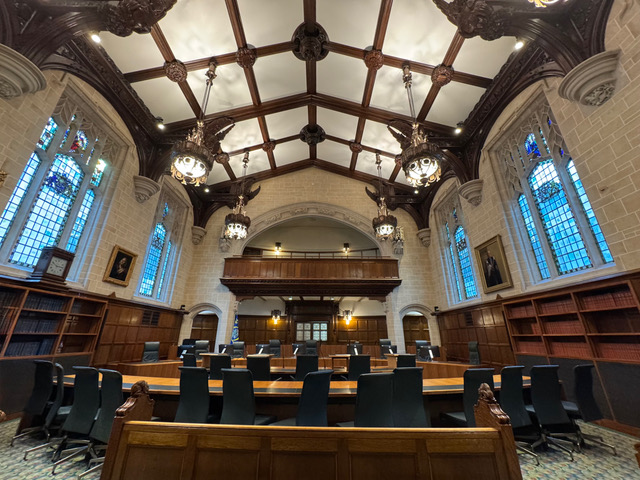
This month a group of our members visited the Supreme… read more
-
Flooding Patterns in Spelthorne - Sept 2026
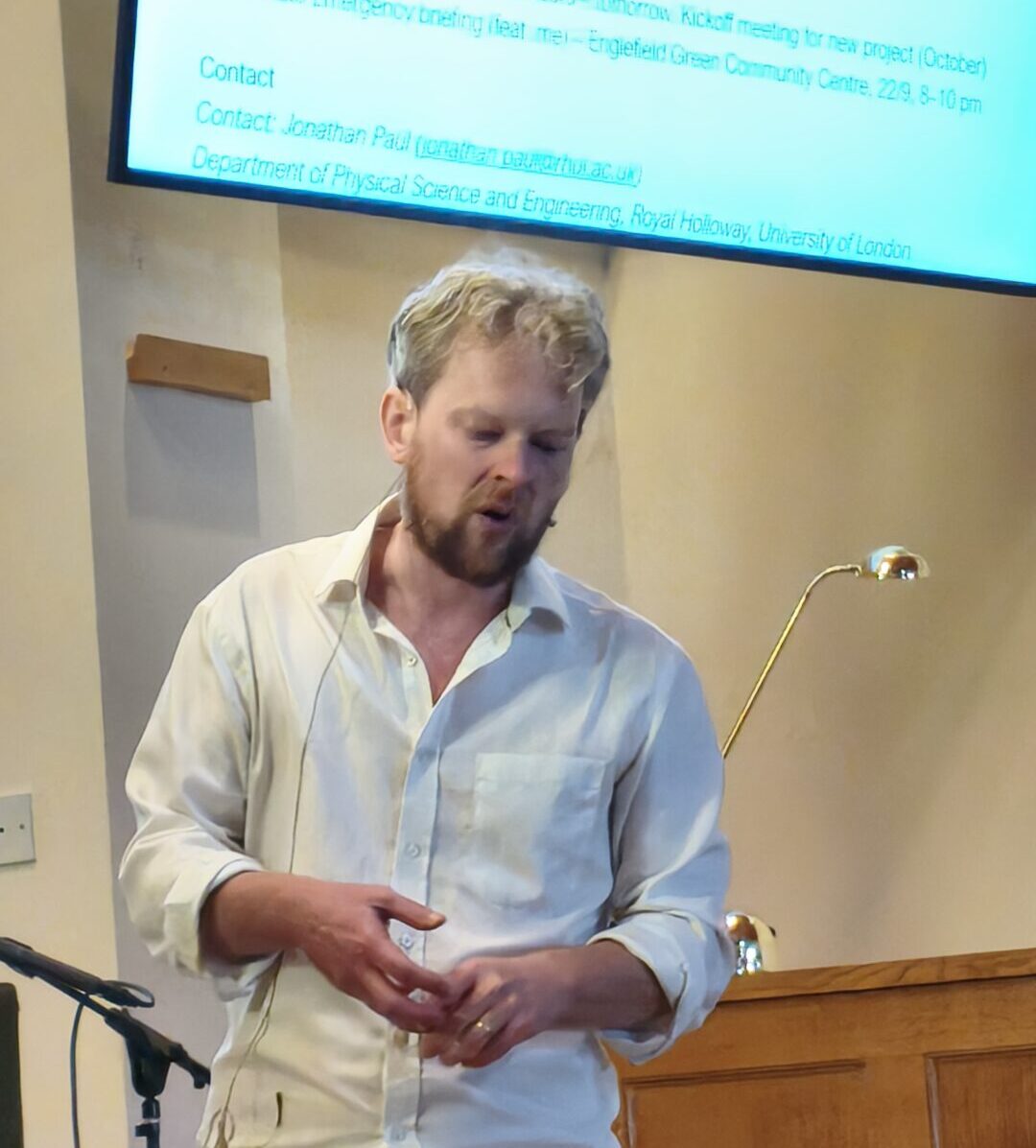
This month’s speaker was Dr Jonathan Paul, a geophysicist from… read more
-
Hearing and deafness – April 2026

Our speaker this month was Francesca MacKenzie who is a… read more
-
Kingston University CSI Labs Visit – February 2026
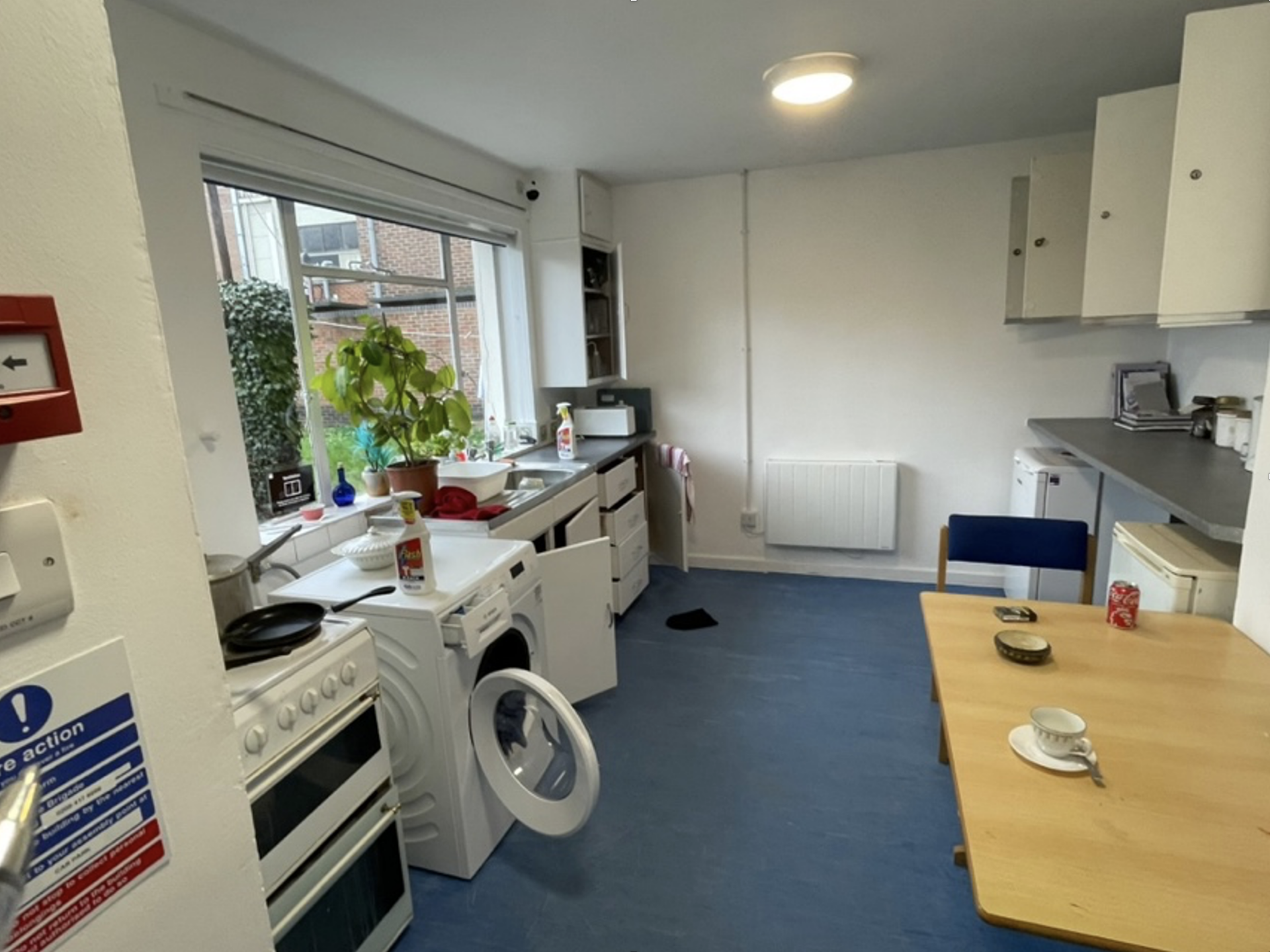
This was the first visit of 2026 and for much… read more
-
Further Aspects of Cybersecurity - November 2025

This was Prof Keith Marin’s second talk to us and… read more
-
Surrey Space Centre Visit - October 25

This was a fascinating and informative but most of all… read more
-
RNLI All-weather Lifeboat Centre Visit – July 25

This was a much anticipated visit and definitely did not… read more





<<<< More Group Pages Below >>>>
Groups listed alphabetically
- Ambling
- American Square Dancing
- Art Appreciation 1
- Art Appreciation 2
- Badminton
- Beaded Jewellery
- Book Club 1
- Book Club 2
- Book Club 3
- Bridge
- Bus Pass Travel 1
- Bus Pass Travel 2
- Canasta 1
- Canasta 2
- Canasta 3
- Card Making
- Cards Unlimited
- Chess
- Cinema Club
- Classic Cars
- Classical Concerts
- Computer Training
- Creative Crafting
- Creative Writing
- Cribbage
- Current Affairs
- Exploring Faiths
- Exploring London
- Family and Social History
- Family History
- Food and Travel Book Club
- French Conversation - Beginners
- French Conversation - Middle Ability
- French Conversation 2
- French Conversation 3
- French Conversation 4
- French Film Club
- Gardening 2
- Golf
- History
- Italian for Improvers Level 2
- Jazz Appreciation 1
- Jazz Appreciation 2
- Jigsaw Exchange
- Knit and Natter
- Lawn Bowls
- Literature
- Local History
- Mah-Jong
- Mindfulness
- MOTO 1 (Members on their own)
- MOTO 2 (Members on their own)
- MOTO 3 (Members on their own)
- MOTO 4 (Members on their own)
- Muncheon Club
- Music Appreciation
- Needlecraft 1
- Needlecraft 2
- Nostalgic Games
- Outings
- Painting
- Philosophy and Psychology
- Photography
- Pickleball 1
- Pickleball 2
- Play Reading 1
- Play Reading 2
- Poetry Writing
- Qigong
- Quizzing at Home
- Recorders
- Rummikub 1
- Rummikub 2
- Rummikub 3
- Rummikub 4
- Safer Motoring
- Science & Technology
- Scrabble 1
- Scrabble 2
- Scrabble 3
- Singing for Pleasure
- Sketching
- Social History
- Spanish
- Stretch & Dance
- Strollers
- Tasty Tribe
- The 1960s
- Ukulele 1
- Ukulele 2
- Ukulele 3
- Walking
- Whist 2
- Write your life